
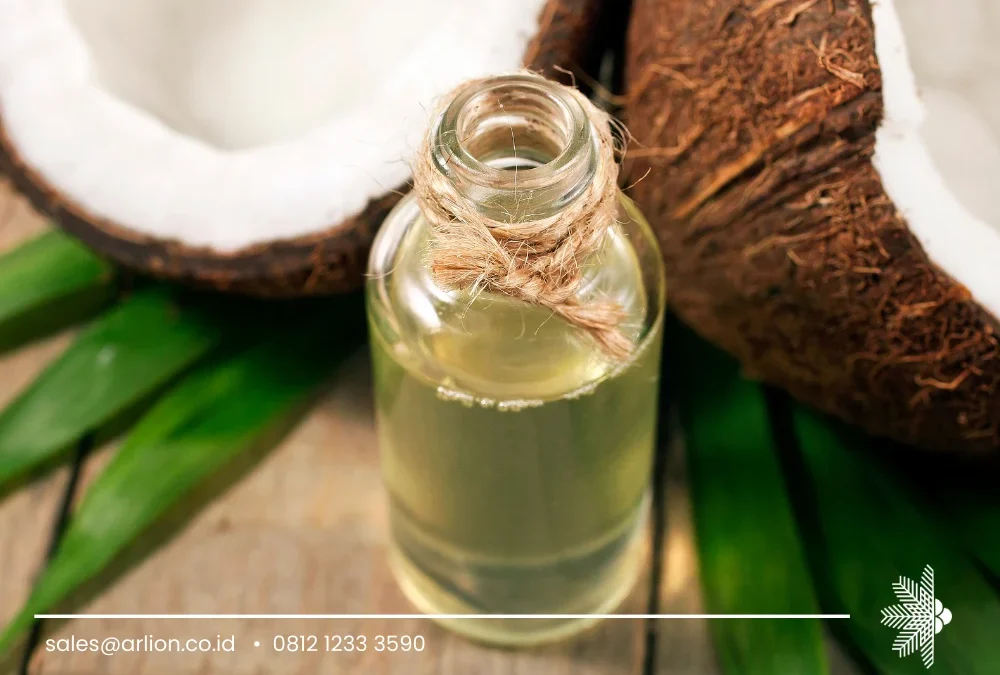
Coconut oil has become a popular ingredient in the beauty industry because of its versatility and compatibility with many cosmetic formulations. Manufacturers use it in skincare, haircare, body care, and cleansing products to achieve specific textures and product characteristics. As consumer interest in plant-derived ingredients continues to influence the market, understanding Coconut Oil Uses in Cosmetics can help businesses identify new opportunities for product development.
For cosmetic manufacturers, selecting the right coconut oil involves more than considering its natural origin. Quality, processing methods, formulation compatibility, and supply consistency all influence the final product. Reliable sourcing allows businesses to maintain production standards while developing beauty products for different customer preferences and international markets.
Understanding Coconut Oil Uses in Cosmetics
The main Coconut Oil Uses in Cosmetics involve moisturizing formulations, cleansing products, hair treatments, and personal care applications. Coconut Oil Uses in Cosmetics contains fatty acids, including lauric acid, that contribute to its functional properties. Depending on its processing method and formulation, it can help improve the texture and feel of various beauty products.
Cosmetic formulators may use coconut oil as an emollient, helping soften the skin and create a smoother application experience. It can also function as an oil-based ingredient in formulations containing botanical extracts, fragrances, and other cosmetic materials. Its suitability depends on the intended product, concentration, and overall formulation design.
Different coconut oil grades serve different manufacturing requirements. Refined coconut oil offers a more neutral appearance and odor, while virgin coconut oil retains more of its characteristic coconut aroma. Manufacturers should choose the grade that best matches their product specifications and target market.
1. Skincare Creams and Moisturizers
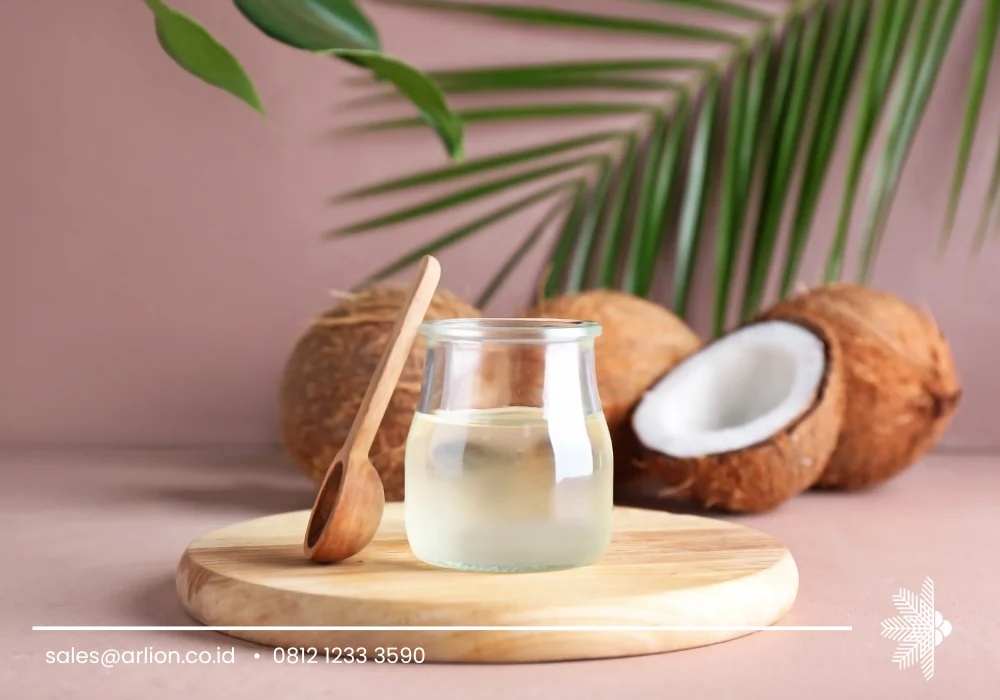
Skincare is one of the most established categories for coconut oil applications. Creams, body lotions, moisturizing balms, and body butter may incorporate coconut oil to improve softness and provide a richer skin feel. Its oil-based properties make it useful in products designed to support the skin’s moisture barrier.
Formulators can combine coconut oil with other emollients, botanical ingredients, and emulsifiers to achieve different textures. A body butter may require a richer consistency, whereas a daily lotion generally needs a lighter application. The final performance depends on the complete formulation rather than coconut oil alone.
However, coconut oil is not suitable for every skin type or facial product. Its heavier texture may feel uncomfortable for some users, particularly those prone to clogged pores. Manufacturers should consider appropriate testing and product guidance before positioning coconut oil formulations for specific skincare needs.
2. Haircare Products and Conditioning Treatments
Haircare manufacturers use coconut oil in conditioners, hair masks, shampoos, and leave-in treatments. It can help lubricate hair strands, improve manageability, and reduce the dry feeling associated with some hair types. These characteristics make it a valuable ingredient in products designed for regular hair maintenance.
Hair masks and intensive treatments may contain higher concentrations of oils than lightweight conditioners. Coconut oil can be combined with other conditioning agents to develop products with different levels of richness and spreadability. Formulation testing helps ensure that the finished product performs consistently without feeling excessively greasy.
Scalp oils and pre-wash treatments represent additional opportunities for coconut oil-based product development. Nevertheless, the appropriate formulation depends on consumer needs, hair texture, and intended use. Brands should avoid making unsupported claims about hair growth or medical benefits without suitable evidence.
3. Soaps, Body Washes, and Cleansing Products
Coconut oil also plays an important role in soap manufacturing. During saponification, its fats react with an alkali to produce soap, contributing to cleansing performance and foam formation. Soap makers often balance coconut oil with other oils to achieve their desired combination of hardness, lather, and skin feel.
Liquid cleansers and body washes may use coconut-derived ingredients in their surfactant systems. These ingredients can help manufacturers develop cleansing products for personal care markets, although the finished product’s mildness depends on the entire formulation. Careful ingredient selection is therefore essential for products intended for frequent use.
For commercial soap producers, consistent raw materials support repeatable manufacturing results. Suppliers should provide clear specifications so that production teams can evaluate the oil’s suitability for their established recipes and processing methods.
4. Lip Balms, Massage Oils, and Body Care
Beyond conventional skincare, coconut oil can be incorporated into lip balms, massage oils, body oils, and selected solid cosmetic products. Its smooth application and oil-based texture make it useful in formulations designed to spread easily across the skin.
In lip balms, formulators may combine coconut oil with waxes and other emollients to create the desired consistency. Massage oils typically require suitable spreadability, while solid balms need a balanced blend of oils, butters, and structuring ingredients. Each application requires a different formulation approach.
Product stability also deserves attention. Manufacturers need to evaluate oxidation, fragrance compatibility, packaging interactions, and storage conditions to maintain product quality throughout its intended shelf life.
Choosing the Right Coconut Oil for Cosmetic Manufacturing
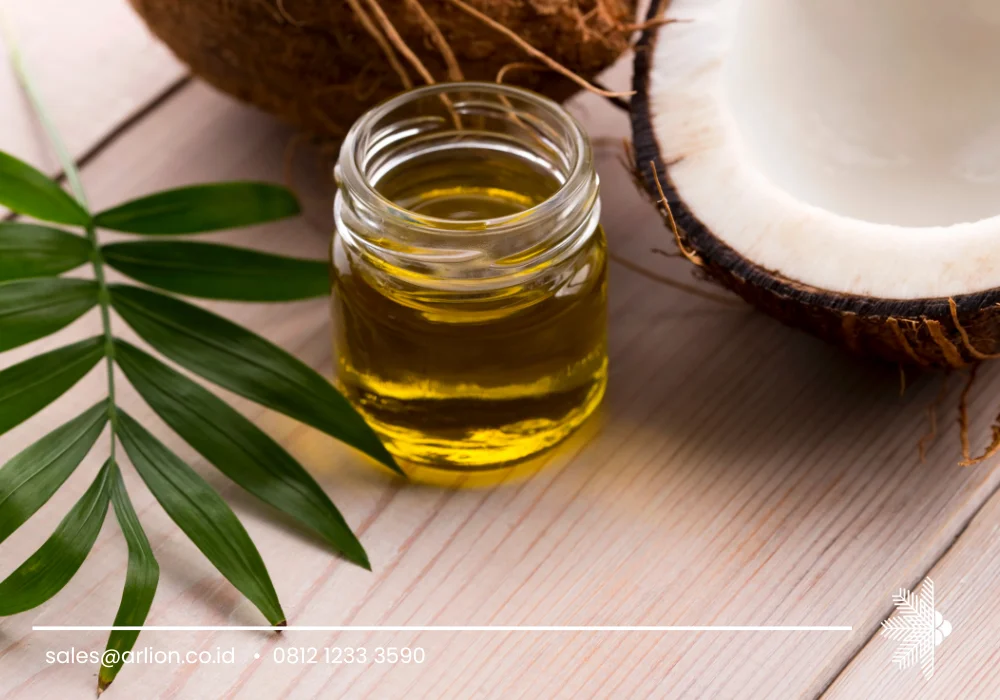
Selecting coconut oil begins with identifying the product category and required specifications. Refined coconut oil may be preferable when a neutral odor and appearance are important, while virgin coconut oil may suit products where its natural aroma is desirable.
Manufacturers should assess supplier reliability, quality documentation, production capacity, and packaging options before placing bulk orders. Technical information about purity, moisture content, and other relevant parameters helps purchasing teams determine whether the ingredient meets their requirements.
For international businesses, dependable export services are equally valuable. Consistent availability, appropriate packaging, and clear shipment documentation help reduce procurement challenges and support uninterrupted manufacturing operations.
Build Better Beauty Products with Quality Coconut Oil
The wide range of Coconut Oil Uses in Cosmetics makes this ingredient valuable for skincare, haircare, soaps, and body care formulations. Its versatility gives manufacturers opportunities to develop products with different textures, applications, and positioning for diverse beauty markets.
Working with an experienced coconut oil supplier helps businesses secure suitable raw materials and maintain consistent production quality. By matching the right oil grade with a well-tested formulation, cosmetic manufacturers can develop reliable products and respond to evolving consumer preferences in the global beauty industry.
For more information, please contact WhatsApp (+62) 812-1233-3590 or email.