
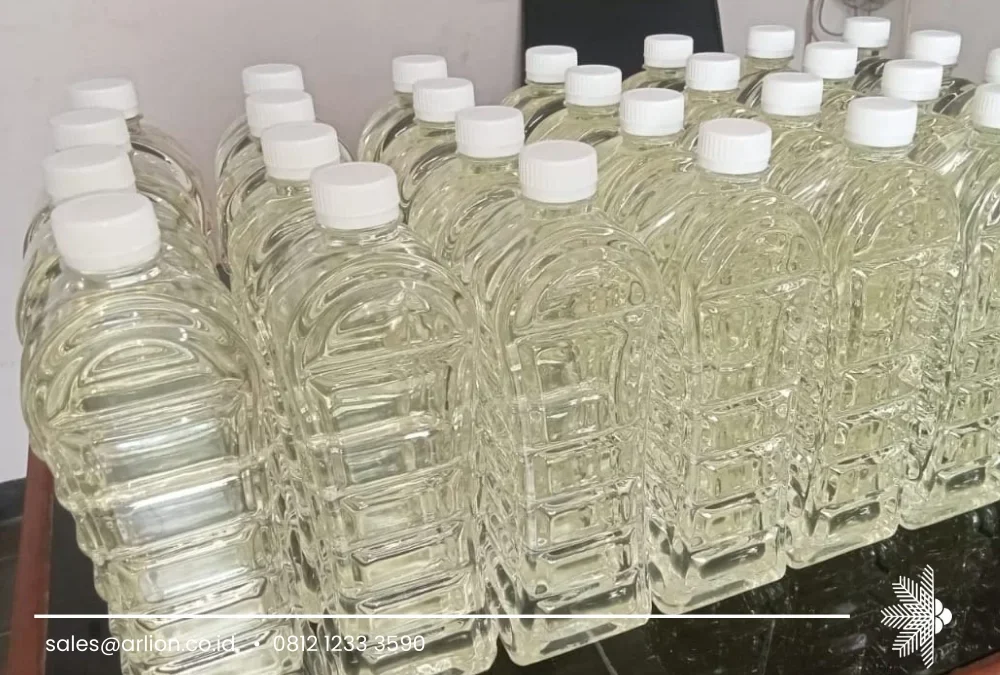
Coconut oil packaging for export plays an important role in maintaining product quality throughout international distribution. From the production facility to the final destination, packaging must protect the oil against contamination, leakage, and unsuitable storage conditions.
For exporters, choosing the right packaging involves more than selecting a container. Product type, order volume, transportation methods, and buyer requirements all influence the decision. Proper packaging also helps businesses handle storage, loading, and distribution more efficiently.
As demand for coconut oil continues across food, cosmetic, and personal care industries, exporters need packaging solutions that support different commercial requirements. Understanding the available options can help suppliers and buyers prepare shipments more effectively.
Why Coconut Oil Packaging for Export Matters
International shipments often involve several transportation stages. Coconut oil may travel by truck, ship, and warehouse handling before reaching its destination. During this process, unsuitable packaging can increase the risk of leakage, contamination, or product damage.
Good packaging creates a protective barrier between the coconut oil and external conditions. It also helps preserve the product during storage and transportation. For bulk buyers, this protection is essential because damaged shipments can lead to additional costs and delivery problems.
Packaging also influences how easily products can be handled. Containers designed for commercial distribution make loading, unloading, and inventory management more practical. This becomes particularly important when exporters handle recurring orders or large shipment volumes.
Common Packaging Options for Export Coconut Oil
The appropriate packaging depends on the coconut oil product, shipment size, and buyer’s preferences. Exporters generally consider several container formats for different order requirements.
Food-Grade Plastic Containers
Food-grade plastic containers are commonly considered for smaller commercial quantities. They are practical to handle and can be suitable for buyers who need manageable packaging sizes.
The container material should be appropriate for contact with coconut oil. Buyers should also confirm its durability, sealing system, and compatibility with the intended storage conditions.
Metal Drums
Metal drums are another option for commercial coconut oil shipments. Their sturdy construction makes them suitable for handling larger quantities and transportation over longer distances.
Before shipment, exporters should ensure that the internal surface and protective lining are suitable for coconut oil. Proper sealing is also necessary to reduce the risk of leakage during handling.
Intermediate Bulk Containers
Intermediate Bulk Containers (IBCs) can accommodate larger quantities than conventional containers. Their design supports bulk handling and can help businesses manage warehouse operations more efficiently.
However, buyers should check the container specifications, material compatibility, and handling requirements before selecting this option. The packaging must remain suitable for the coconut oil throughout the distribution process.

Factors to Consider When Selecting Export Packaging
Not every packaging format is suitable for every coconut oil order. Exporters and importers should evaluate several factors before confirming their packaging arrangements.
1. Product compatibility
The packaging material must be suitable for direct contact with coconut oil. Food-grade requirements should be considered when the product is intended for food applications. For cosmetic and personal care uses, buyers should also communicate their relevant packaging standards.
2. Shipment quantity
Order volume influences the most practical packaging format. Smaller quantities may require individual containers, while bulk purchases can benefit from larger packaging units.
3. Container strength and sealing
Packaging must withstand normal transportation and handling conditions. Secure closures, durable materials, and appropriate seals help minimize leakage risks.
4. Storage conditions
Coconut oil should be stored according to its product specifications. Packaging selection should consider the expected storage environment, transportation duration, and handling procedures.
5. Destination requirements
Import regulations and buyer specifications may differ between countries. Exporters should confirm applicable labeling, documentation, and packaging requirements before preparing the shipment.
Preparing Coconut Oil Packaging Before Shipment
Packaging preparation should be included in the export process from an early stage. Containers need to be inspected before filling to ensure they are clean, undamaged, and suitable for the product.
After filling, each container should be properly closed and checked for potential leakage. Clear labeling also helps identify the product and supports warehouse management. Depending on the buyer’s requirements, labels may include product names, net weight, batch information, and other relevant details.
Exporters should coordinate packaging specifications with buyers before production or shipment. This prevents differences between the agreed requirements and the final delivery. It also makes it easier to prepare documentation and organize transportation.

Choosing an Export Supplier for Coconut Oil
Packaging quality is important, but it should be evaluated alongside the supplier’s overall capabilities. International buyers need suppliers who can provide consistent product specifications, clear communication, and suitable arrangements for bulk orders.
Indonesia Coconut Oils, a trademark of PT Visi Arlion Internasional, supplies coconut oil products from Indonesia. Its product range includes RB Coconut Oil, RBD Coconut Oil, Virgin Coconut Oil, and Extra Virgin Coconut Oil.
Packaging arrangements can be discussed based on product type, order volume, and buyer requirements. International buyers are encouraged to communicate their preferred packaging specifications before confirming an order.
Conclusion
Coconut oil packaging for export requires careful planning to protect product quality and support efficient international distribution. The right packaging depends on product compatibility, shipment volume, transportation conditions, and destination requirements.
By discussing these factors with an experienced supplier, businesses can prepare shipments that match their operational needs. Indonesia Coconut Oils welcomes inquiries from importers, distributors, and manufacturers looking for coconut oil products from Indonesia.
For further information, please contact WhatsApp (+62) 812-1233-3590 or via email sales@arlion.co.id.