

Coconut oil has become a popular ingredient in the haircare industry because of its versatile properties and compatibility with various cosmetic formulations. From everyday conditioners to intensive hair treatments, manufacturers incorporate this plant-derived oil into products designed for different haircare needs. Its distinctive characteristics also make it an attractive ingredient for brands developing natural-inspired beauty collections.
The growing demand for botanical ingredients has created opportunities for coconut oil suppliers and cosmetic manufacturers. Businesses are exploring different formulations that combine coconut oil with botanical extracts, conditioning agents, and other functional ingredients. Understanding Coconut Oil for Hair Care helps manufacturers identify suitable applications and develop products that meet changing consumer preferences.
Why Coconut Oil for Hair Care Is Popular
Coconut oil contains a high proportion of saturated fatty acids, particularly lauric acid. Its composition contributes to its ability to interact with hair fibers and makes it useful in selected conditioning treatments. Depending on the formulation, it can help improve hair softness, manageability, and overall texture.
Another advantage is its versatility across different product categories. Manufacturers can incorporate coconut oil into rinse-off conditioners, leave-in treatments, hair masks, and oil-based serums. This flexibility allows cosmetic brands to develop multiple products using a familiar botanical ingredient.
Coconut oil for hair care also offers formulation opportunities for brands targeting consumers interested in plant-derived personal care products. However, its suitability depends on hair type, concentration, and the complete formulation. Products should undergo appropriate testing to ensure they deliver the intended application experience.
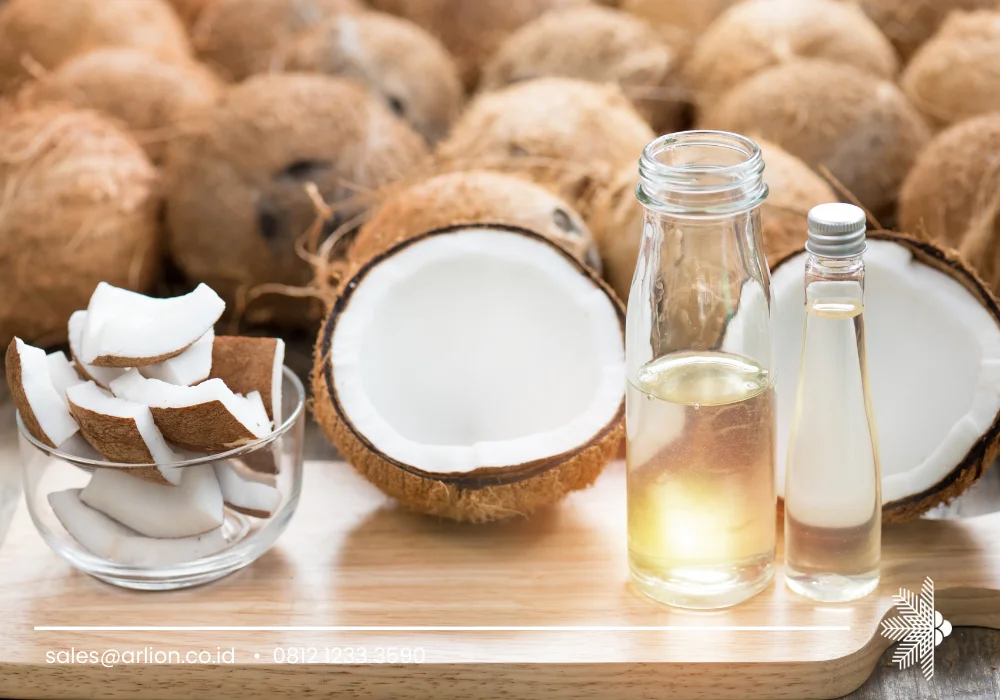
1. Coconut Oil in Shampoos and Conditioners
Shampoos and conditioners represent two important categories for coconut-derived ingredients. In conditioners, coconut oil can function as an emollient that contributes to a smoother feel and easier hair management. Formulators often combine it with other conditioning ingredients to achieve the desired consistency and performance.
Some shampoo formulations also include coconut oil or coconut-derived components. These ingredients may contribute to the product’s conditioning properties, depending on their chemical form and concentration. Manufacturers must balance cleansing performance with the desired softness and feel after washing.
Product consistency is essential in both categories. The oil must remain compatible with other ingredients throughout manufacturing and storage. Proper formulation testing helps prevent separation, unwanted changes in texture, and other stability issues.
2. Hair Masks and Deep Conditioning Treatments
Hair masks are commonly designed as intensive treatments for dry, rough, or difficult-to-manage hair. Coconut oil can serve as one of the emollient ingredients in these formulations, contributing to a richer texture and smoother application.
Manufacturers may combine it with shea butter, botanical extracts, proteins, and other conditioning materials. Each ingredient contributes different characteristics, allowing formulators to create products with specific textures and usage instructions. The final formulation should provide a balanced experience without becoming excessively heavy.
Deep conditioning products are available in different formats, including creams, treatment butters, and overnight hair treatments. Coconut oil can support these product concepts because of its oil-based nature and compatibility with various cosmetic ingredients.
3. Scalp Oils and Hair Serums
Scalp treatments and hair serums offer another application for coconut oil in personal care manufacturing. Oil-based scalp products may include coconut oil alongside other botanical oils to create formulations designed for massage and conditioning routines.
Hair serums generally require careful consideration of texture and spreadability. Coconut oil can contribute a nourishing, smooth feel, although formulators must control its concentration to avoid leaving unwanted residue. Lightweight alternatives or additional ingredients may be necessary for products intended for everyday use.
These products also provide opportunities for customized formulations. Brands can develop different combinations based on fragrance preferences, packaging formats, and target consumer segments.
Choosing the Right Coconut Oil for Haircare Formulations
Not every coconut oil for hair care grade offers the same characteristics. Refined coconut oil typically has a neutral aroma and appearance, making it suitable for formulations where fragrance control is important. Virgin coconut oil retains more of its characteristic coconut scent and may appeal to brands emphasizing recognizable botanical ingredients.
Manufacturers coconut oil for hair care should evaluate several factors before selecting a suitable grade:
- Processing method: Determines the oil’s characteristics and degree of refinement.
- Aroma and appearance: Important for maintaining the intended sensory profile.
- Purity: Helps confirm suitability for the intended cosmetic application.
- Moisture content: Relevant to product quality and storage stability.
- Supplier documentation: Provides technical information for formulation and quality assessment.
The selected ingredient should also undergo compatibility and stability testing within the finished formulation. This helps manufacturers identify potential changes before commercial production begins.
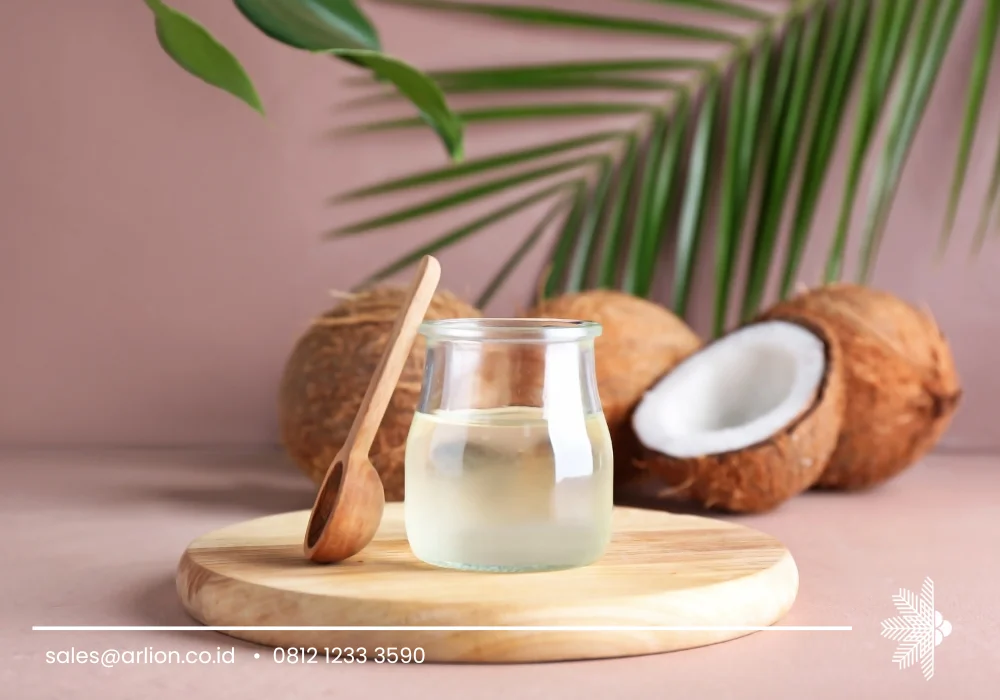
Quality and Bulk Supply for Cosmetic Manufacturers
Reliable sourcing is important for businesses producing haircare products at commercial scale. Variations in raw materials can influence formulation consistency, making supplier quality control an essential consideration. Manufacturers should work with suppliers capable of maintaining agreed product specifications across recurring orders.
Bulk availability also supports efficient production planning. Cosmetic companies need suppliers that can accommodate different order volumes, provide suitable packaging, and maintain dependable delivery schedules. These factors become increasingly important as product demand expands.
Before purchasing, buyers should request technical specifications, available packaging details, minimum order quantities, and relevant quality documentation. Clear communication helps prevent misunderstandings and supports smoother procurement, particularly for international shipments.
The Future of Coconut Oil in Haircare Products
Consumer interest in botanical ingredients continues to influence product development across the global beauty industry. Haircare brands are exploring formulations that combine traditional plant-based ingredients with modern cosmetic technology. Coconut oil remains relevant because of its established use and versatility across multiple product categories.
Manufacturers can explore new product opportunities through conditioners, intensive treatments, scalp oils, and specialized haircare collections. However, successful product development still depends on appropriate formulation, safety evaluation, and consistent ingredient quality.
Partner with a Reliable Coconut Oil Supplier
The applications of Coconut Oil for Hair Care extend across shampoos, conditioners, hair masks, scalp treatments, and serums. Its versatility gives cosmetic manufacturers opportunities to create different formulations while responding to consumer interest in botanical personal care ingredients.
Working with an experienced coconut oil supplier helps businesses secure consistent raw materials for commercial production. With suitable product specifications, reliable bulk availability, and professional export support, manufacturers can strengthen their sourcing operations and develop competitive haircare products for international markets.
For further information, please contact WhatsApp (+62) 812-1233-3590 or via email sales@arlion.co.id.