
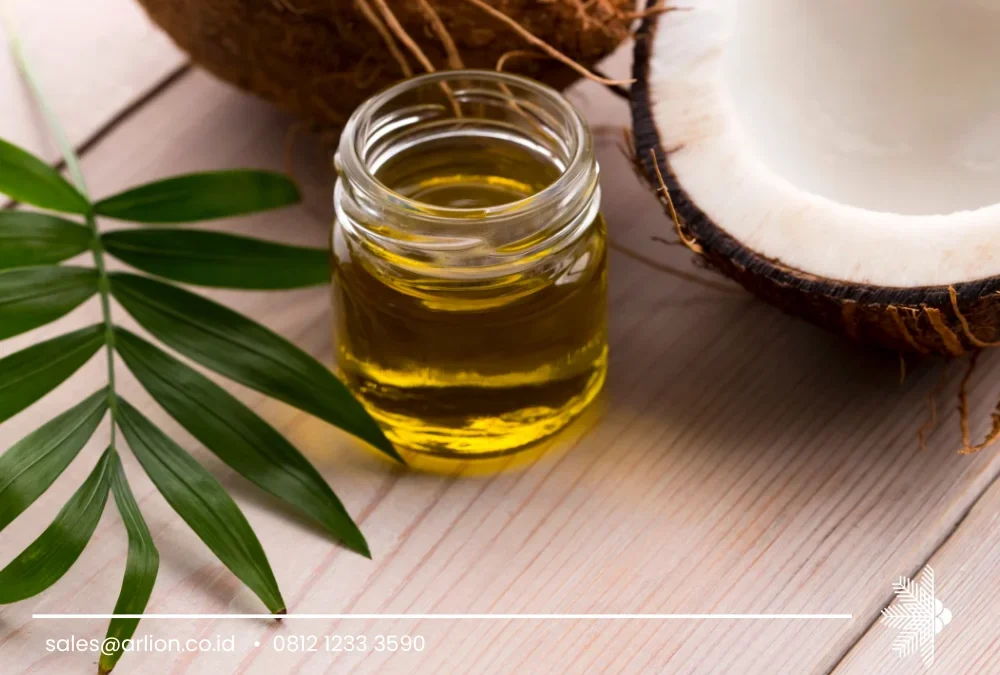
Coconut oil is an important raw material for food production, cosmetics, personal care, and various industrial applications. Its quality depends on the coconuts used, the extraction method, and the conditions maintained throughout manufacturing. Understanding the Coconut Oil Manufacturing Process helps businesses evaluate product grades and select suitable ingredients for their operations.
Manufacturers generally produce coconut oil through two main approaches: processing fresh coconut material or extracting oil from dried coconut kernels, commonly called copra. Each method creates products with different characteristics and may involve additional refining steps. The final oil can be tailored to specific requirements, including aroma, appearance, purity, and intended application.
1. Selecting and Preparing Coconut Raw Materials
The coconut oil manufacturing process begins with selecting suitable coconuts. Mature coconuts are commonly preferred for oil production because their kernels contain substantial amounts of oil. Raw material quality influences the characteristics of the finished product, making proper selection an essential first step.
After harvesting, coconuts are transported to processing facilities and inspected for damage, contamination, or unsuitable conditions. The outer husk and hard shell are removed to obtain the coconut kernel. Depending on the production method, manufacturers may process fresh kernels directly or dry them before extraction.
2. Extracting Oil from Coconut Material
The extraction stage separates coconut oil manufacturing process from the prepared raw material. The specific technique depends on whether the manufacturer uses fresh coconut or dried copra. Both approaches require appropriate equipment and controlled processing conditions to obtain the desired oil yield and quality.
Fresh Coconut Extraction
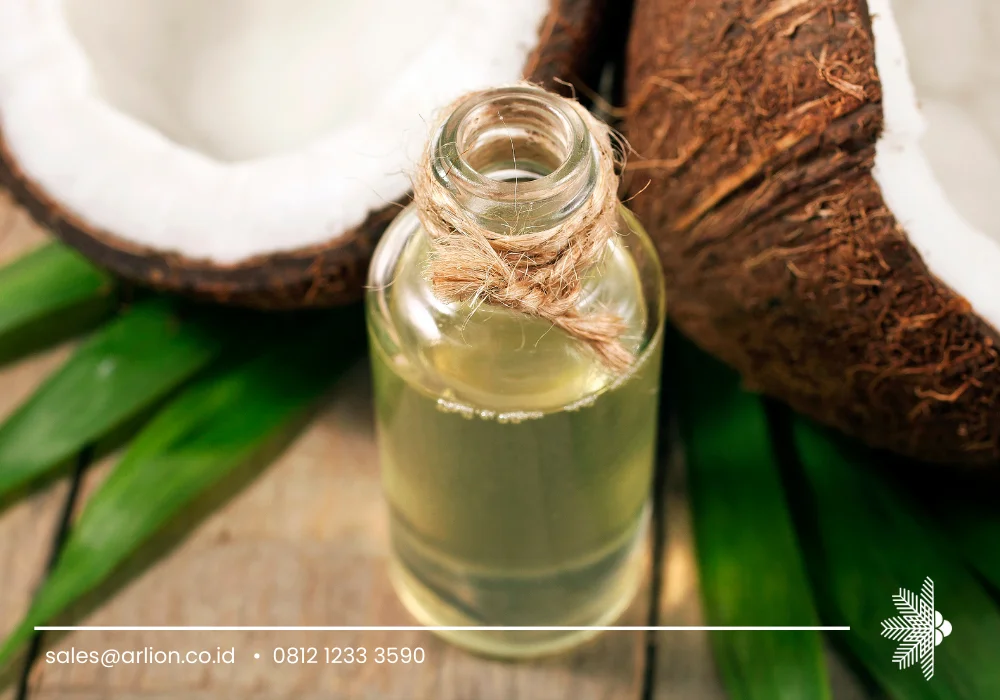
For virgin coconut oil production, fresh coconut meat may be grated and pressed to obtain coconut milk. The milk contains water, oil, and suspended coconut solids, so additional separation is necessary. Manufacturers use methods such as controlled heating, fermentation, centrifugation, or other suitable techniques to separate the oil.
Processing conditions influence the oil’s aroma, appearance, and stability. Some methods are designed to limit intensive heat exposure and preserve characteristic coconut properties. The extracted oil may then undergo filtration to remove remaining particles.
Copra-Based Extraction
In conventional commercial production, coconut kernels are dried into copra before oil extraction. The dried material is crushed or prepared into smaller pieces, then processed using mechanical expellers or other extraction equipment. Some facilities use additional solvent extraction to recover more oil from the remaining material.
The extracted oil may contain impurities, moisture, and other components that require further treatment. Copra-based oil is therefore commonly sent to refining facilities when the intended product is refined coconut oil.
3. Refining and Processing Coconut Oil
After extraction, coconut oil may undergo refining to meet specific commercial requirements. This stage is particularly important for producing refined coconut oil, including RB (Refined and Bleached) and RBD (Refined, Bleached, and Deodorized) grades.
Refining typically involves several operations. Depending on the production facility, these may include filtration, degumming, neutralization, bleaching, and deodorization. Each operation addresses particular impurities or sensory characteristics, helping manufacturers achieve consistent quality.
Bleaching uses suitable processing materials to reduce unwanted color compounds. Deodorization, commonly performed under controlled conditions, removes substances responsible for undesirable odors and flavors. The resulting RBD coconut oil generally has a lighter appearance and a more neutral aroma than less-refined varieties.
Not every coconut oil requires all these treatments. Virgin coconut oil production generally follows a different processing route, focusing on extracting oil from fresh coconut material while retaining more of its characteristic properties.
4. Quality Control and Product Testing
Quality control takes place throughout the Coconut Oil Manufacturing Process, not only after extraction. Manufacturers inspect incoming raw materials, monitor processing conditions, and evaluate the finished oil before packaging. These checks help maintain consistency between production batches.
Depending on the product grade and customer requirements, testing may cover moisture content, free fatty acids, color, odor, and other relevant specifications. Food-grade and cosmetic-grade products may also require documentation demonstrating compliance with applicable standards.
Proper storage is another important consideration. Coconut oil should be protected from contamination, excessive heat, and unsuitable storage conditions. Maintaining appropriate handling practices helps preserve its quality until delivery.
5. Packaging and Distribution
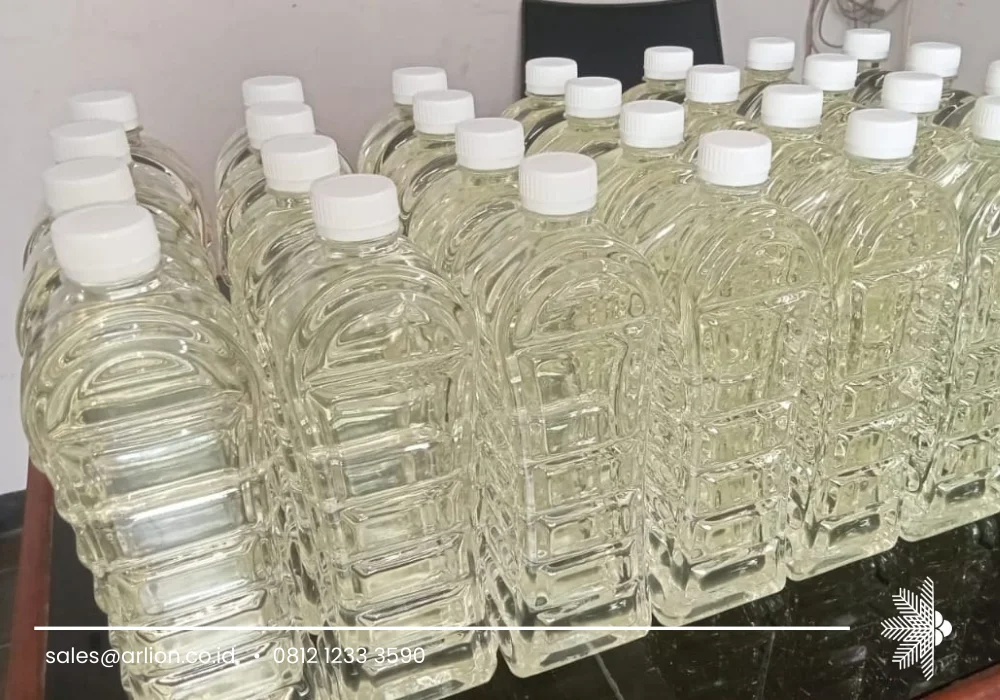
Once the oil meets the required specifications, manufacturers prepare it for storage and shipment. Packaging options depend on the customer’s purchasing volume, product grade, and transportation arrangements. Smaller containers may serve retail markets, while drums, containers, or other bulk formats support commercial distribution.
For international buyers, packaging must protect the oil during loading, transportation, and storage. Clear labeling and product documentation also help importers identify the grade, batch information, and relevant specifications.
Export operations may involve coordinating shipment schedules, commercial documents, and customer-specific requirements. Efficient planning supports dependable delivery and helps manufacturers maintain long-term relationships with overseas buyers.
Choosing a Reliable Coconut Oil Manufacturer
A dependable manufacturer should demonstrate consistent raw material sourcing, controlled production, and appropriate quality assurance procedures. Buyers should request product specifications and confirm whether the oil is virgin, refined, or RBD before placing an order. These distinctions are important because processing methods influence the product’s aroma, appearance, and intended applications.
Production capacity, packaging flexibility, and export experience are also valuable considerations for businesses purchasing in bulk. A supplier that communicates clearly about quality standards and delivery schedules can help reduce procurement challenges.
Conclusion
The Coconut Oil Manufacturing Process involves several carefully managed stages, from selecting mature coconuts and extracting oil to refining, testing, and packaging. Each stage contributes to the quality and characteristics of the finished product.
Understanding these operations helps businesses choose coconut oil that matches their manufacturing requirements. By working with an experienced supplier, buyers can obtain suitable product grades, consistent specifications, and reliable support for food, cosmetic, and industrial applications.
For more information, please contact WhatsApp (+62) 812-1233-3590 or email