
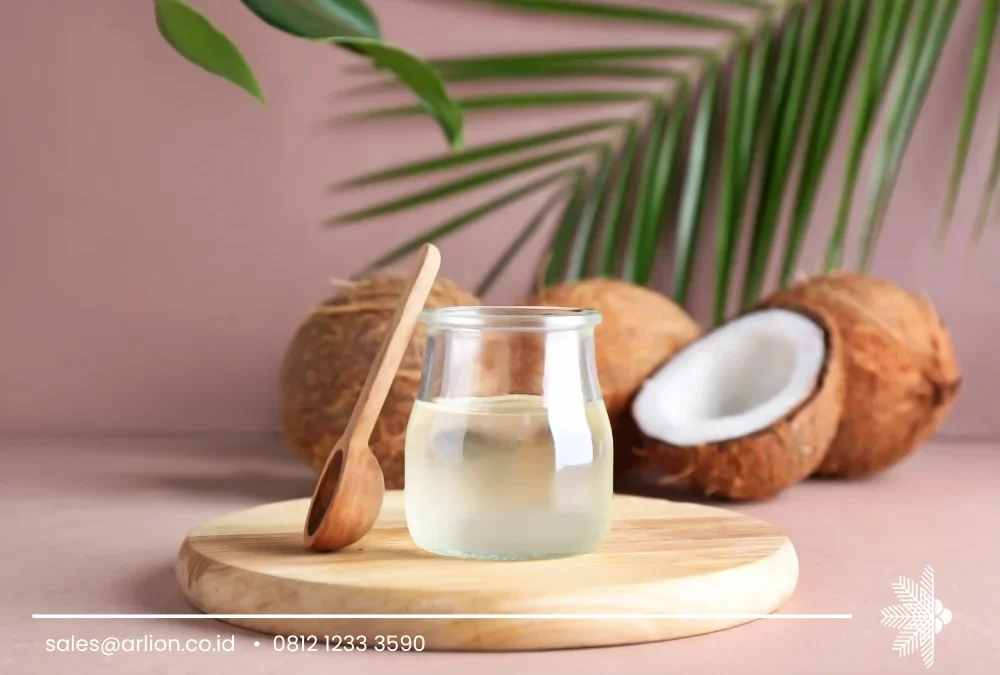
Coconut oil for soap making. Choosing the right oil can significantly influence the texture, cleansing ability, and overall performance of handmade or commercial soap. Among plant-based oils, coconut oil remains a popular ingredient because it contributes distinctive properties to different soap formulations. Its versatility makes it suitable for small artisans, natural skincare brands, and manufacturers producing soap on a larger scale.
The characteristics of coconut oil for soap making can vary depending on its source, processing method, and refining level. For soap makers, understanding these differences is important when developing a consistent formula. Selecting a suitable product helps manufacturers achieve predictable results while maintaining the qualities expected from natural and vegetable-based soap.
Why Use Coconut Oil for Soap Making?
Coconut Oil for Soap Making is valued primarily for its ability to create a rich, effective lather. When properly incorporated into a soap formula, it produces bubbles that help remove oil, dirt, and impurities from the skin. This cleansing performance makes coconut oil particularly useful in soaps designed for everyday washing.
Another important characteristic is its contribution to bar hardness. Coconut oil can help a soap bar develop a firm structure after saponification and curing. The final result depends on the overall formulation, since soap makers typically combine coconut oil with other oils to balance cleansing power, conditioning properties, and hardness.
How Coconut Oil Works During Saponification
Soap production involves a chemical reaction called saponification, where oils or fats react with an alkaline solution. During this process, the fatty acids in coconut oil interact with the alkali to form soap and glycerin. The resulting characteristics depend on the fatty acid profile of the oil and the proportions used in the recipe.
Coconut oil contains a high proportion of saturated fatty acids, particularly lauric acid. This composition contributes to its strong cleansing and lathering characteristics after saponification. However, using an appropriate percentage is important because excessive amounts may produce a bar that feels more cleansing than desired.
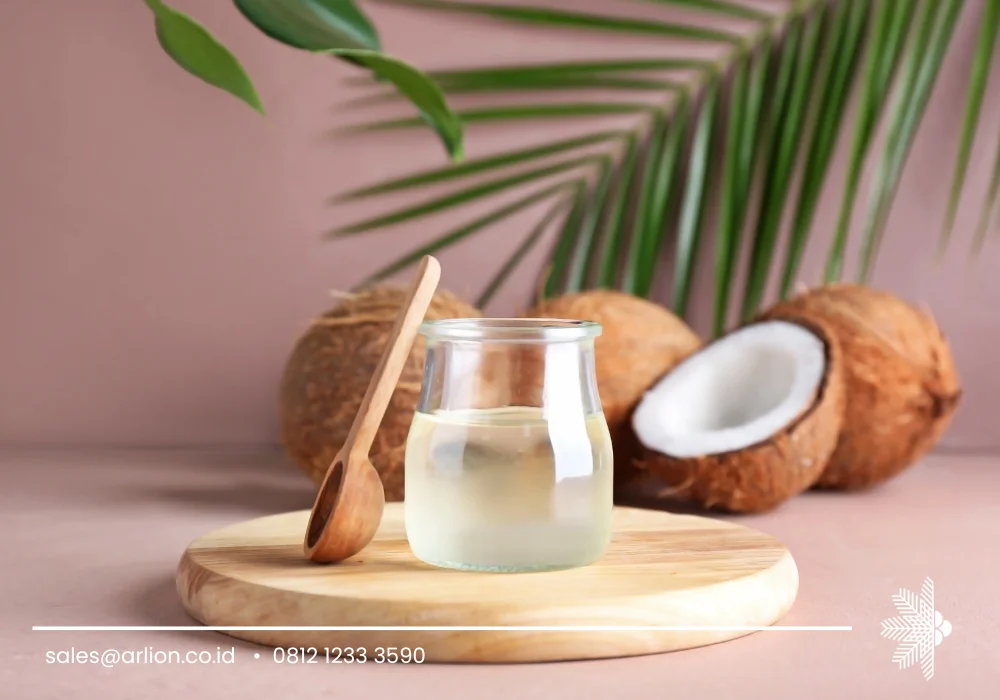
Formulating Balanced Coconut Oil Soap
Although coconut oil offers useful properties, it does not necessarily need to be the only oil in a soap recipe. Many formulators combine it with olive oil, palm oil, shea butter, or other vegetable oils to create a more balanced product. Each ingredient contributes different characteristics that influence the final bar.
A carefully developed formulation can combine coconut oil’s cleansing and bubbly lather with oils that provide conditioning or a smoother skin feel. Soap makers should also consider the intended market, product positioning, and skin preferences when determining the right formulation. Small adjustments can make a noticeable difference in hardness, lather, and overall user experience.
Selecting the Right Coconut Oil Quality
Raw material quality is an important consideration for soap manufacturers. Coconut oil can be available in different grades and processing forms, including refined and unrefined varieties. The choice often depends on the desired appearance, scent, production process, and cost requirements of the final soap.
Unrefined coconut oil may retain a characteristic coconut aroma and color, which can be useful for certain handmade or natural product concepts. Refined coconut oil generally offers a more neutral profile and can provide greater consistency for manufacturers seeking predictable results. Buyers should evaluate specifications carefully before selecting a supplier.
Benefits for Handmade and Commercial Soap Businesses
Coconut oil provides flexibility for businesses operating at different production scales. Handmade soap producers can use it to develop distinctive recipes, while larger manufacturers can incorporate it into standardized formulations for repeated production. Its established use in personal care products also makes it familiar to consumers and manufacturers.
For commercial businesses, consistent raw material supply is particularly important. Variations in oil quality can influence production results, making reliable sourcing essential for maintaining the same product characteristics across different batches. Working with an experienced supplier can help businesses establish stable specifications and improve production planning.
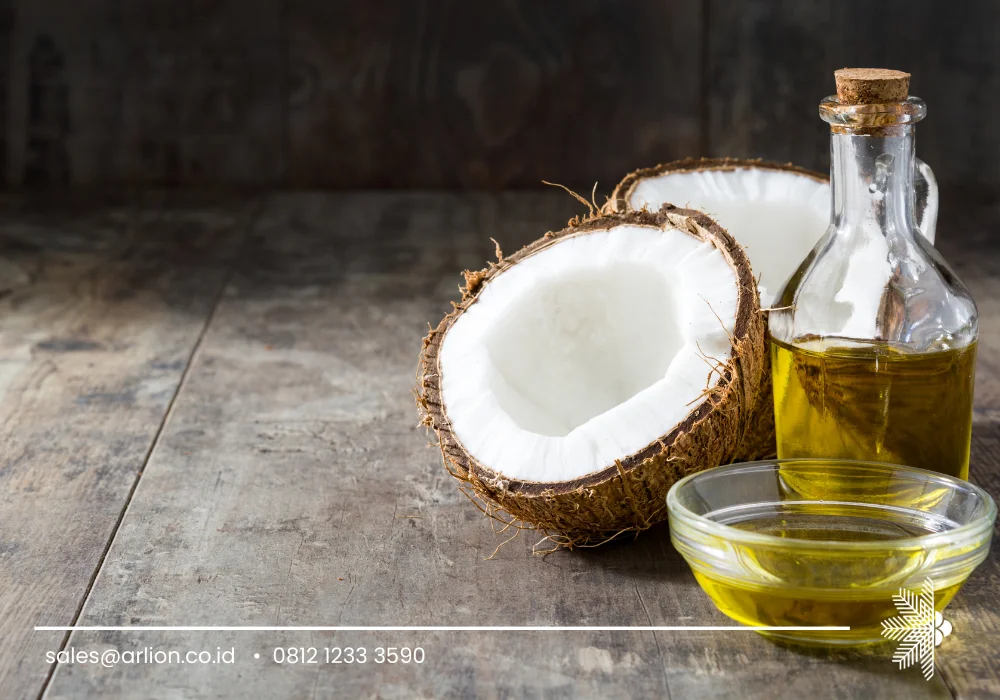
Storage and Handling Considerations
Proper storage helps maintain coconut oil quality before it enters the soap-making process. The oil should be protected from excessive heat, moisture, and contamination during transportation and storage. Because coconut oil can change from a solid to a liquid state depending on temperature, appropriate handling procedures are also useful for efficient production.
Manufacturers should follow supplier recommendations for storage conditions and packaging. Bulk buyers may require larger containers or drums that protect the oil throughout transportation. Good storage practices help preserve raw material quality and reduce unnecessary losses during manufacturing.
Why Source Coconut Oil from Indonesia?
Indonesia is one of the world’s major coconut-producing countries, creating strong opportunities for sourcing coconut-based ingredients. The country’s extensive coconut supply supports various industries, including food processing, cosmetics, personal care, and soap manufacturing. This established agricultural base can provide manufacturers with access to coconut oil for different production requirements.
For international buyers, sourcing from experienced Indonesian suppliers can also support bulk purchasing and export operations. Businesses can discuss specifications, packaging, quantities, and quality requirements before placing an order. Building a dependable supply relationship is especially valuable for manufacturers that need consistent raw materials throughout the year.
Conclusion
Coconut Oil for Soap Making offers several valuable characteristics for both handmade and commercial soap production. Its ability to support rich lather, effective cleansing, and firm soap structure makes it a versatile ingredient for different formulations. When combined with other suitable oils, it can contribute to a balanced product with desirable performance.
For manufacturers and soap businesses, raw material quality should remain a key consideration from the beginning. Choosing suitable coconut oil, maintaining proper storage, and working with a reliable supplier can help create consistent production results. With Indonesia’s strong coconut industry, businesses have opportunities to source coconut oil while developing high-quality soap products for local and international markets.
For more information, please contact WhatsApp (+62) 812-1233-3590 or email.