
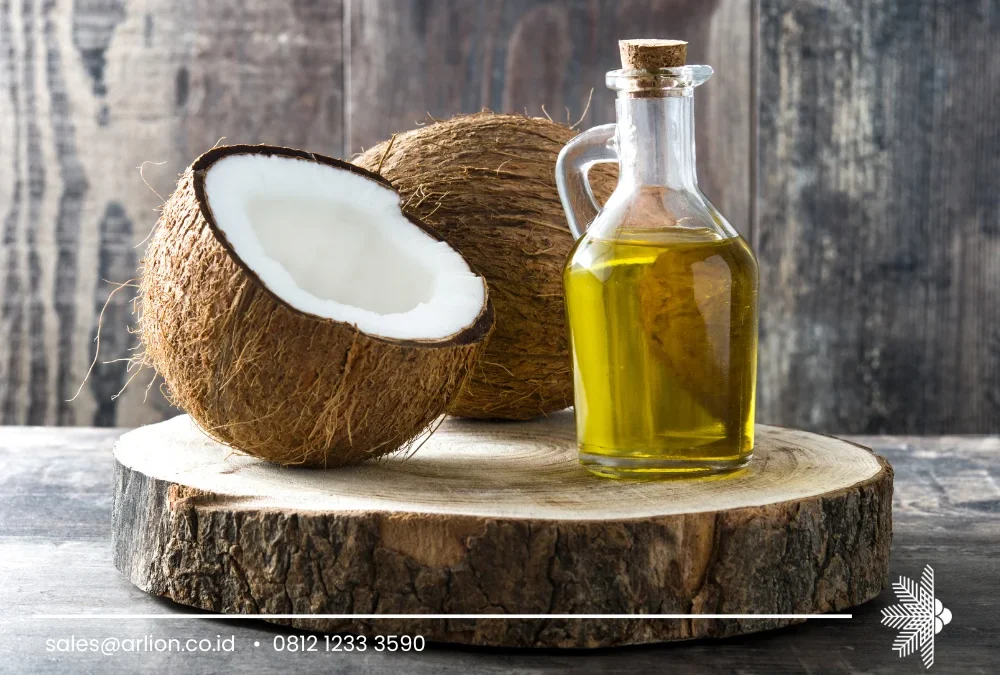
coconut oil on tattoo care routines are increasingly discussed in lifestyle and beauty news as more people seek natural options for skin maintenance following body art procedures. The background of this trend is closely connected to the global rise in tattoo popularity, alongside growing consumer preference for plant-based and minimally processed skincare products. As tattoos become more mainstream across different age groups and professions, aftercare practices are gaining heightened attention from dermatologists, tattoo artists, and product manufacturers alike.

In recent years, the conversation surrounding coconut oil on tattoo applications has expanded beyond social media tips to include professional commentary and market analysis. With consumers prioritizing ingredient transparency and gentler skincare alternatives, coconut oil has emerged as one of several natural substances considered for post-tattoo skin support.
Growing Popularity of Natural Aftercare
The tattoo industry has experienced significant growth worldwide, driven by evolving cultural attitudes and artistic innovation. As more individuals invest in permanent body art, proper aftercare has become a critical component of the overall experience. Industry experts emphasize that the healing period directly influences color retention, clarity, and skin health.
Within this broader context, coconut oil on tattoo discussions have gained momentum. Coconut oil is widely known for its moisturizing properties and is commonly used in general skincare routines. This familiarity has contributed to its growing role in tattoo aftercare conversations.
Influence of Clean Beauty Movements
The clean beauty movement has encouraged consumers to scrutinize product labels and reduce exposure to synthetic additives. As a result, many individuals explore natural oils as alternatives to conventional ointments.
Coconut oil on tattoo treatment is often mentioned in online forums and beauty publications as a plant-based option. Advocates highlight its simple composition, while experts remind readers that suitability depends on individual skin conditions and the stage of healing.
Dermatological Perspectives and Skin Healing
Tattooing involves inserting pigment into the dermis layer of the skin, creating controlled micro-injuries that require careful management during recovery. Dermatologists note that maintaining proper moisture balance is essential to prevent excessive dryness or scabbing.
Coconut oil on tattoo applications are typically discussed in relation to hydration. The oil forms a light barrier that may help reduce moisture loss. However, medical professionals caution that newly tattooed skin can be sensitive, and overly heavy products may clog pores if applied excessively.
Timing and Application Considerations
Experts often stress that the timing of application matters. During the initial healing phase, tattoo artists usually recommend specialized aftercare products designed specifically for fresh tattoos. Once the skin begins to settle, some individuals consider incorporating coconut oil into their routine.
Balanced guidance emphasizes moderation. A thin layer applied to clean, dry skin may help maintain softness, but overuse can potentially lead to buildup or irritation. Consulting with a tattoo professional or dermatologist ensures that coconut oil on tattoo use aligns with individual healing progress.
Market Trends and Product Innovation
The expanding tattoo culture has created opportunities for skincare brands to develop specialized aftercare lines. While many companies produce targeted balms and creams, others market multi-purpose natural oils.
Coconut oil on tattoo care is frequently referenced in product marketing, particularly among brands promoting minimalist ingredient lists. Some manufacturers blend coconut oil with other botanical extracts to enhance texture and absorption.
Consumer Demand for Transparency
Transparency in sourcing and production has become increasingly important. Consumers want to know whether coconut oil is cold-pressed, organic, or sustainably harvested. These details influence purchasing decisions and brand loyalty.
Market analysts observe that natural skincare trends often intersect with ethical consumption. As demand for coconut oil on tattoo products rises, companies are responding with certifications and clear labeling practices.
Social Media and Cultural Influence
Social media platforms have played a significant role in shaping public perception. Tattoo artists and influencers frequently share healing journeys, offering tips and product recommendations. Visual content showcasing vibrant, well-healed tattoos contributes to curiosity about aftercare methods.
Coconut oil on tattoo routines often appear in these discussions, sometimes accompanied by personal testimonials. While positive experiences can encourage adoption, experts remind consumers that anecdotal evidence does not replace professional advice.
Balancing Trends with Professional Guidance
The rapid spread of online information highlights the need for credible sources. Dermatologists and licensed tattoo artists consistently emphasize hygiene, sun protection, and appropriate moisturizing techniques.
By combining social media awareness with professional recommendations, individuals can make informed decisions about incorporating coconut oil into their skincare regimen.
Economic Impact and Global Supply Chains
The intersection of tattoo culture and natural skincare also influences global trade. Coconut-producing countries benefit from diversified applications of coconut-derived products, including cosmetics and personal care.
Growing interest in coconut oil on tattoo care indirectly supports agricultural economies and processing industries. Export growth, quality control measures, and sustainable farming practices contribute to long-term industry stability.
Sustainability Considerations
Environmental awareness continues to shape consumer behavior. Ethically sourced coconut oil aligns with broader sustainability goals, encouraging responsible production practices.
Brands that prioritize eco-friendly packaging and transparent sourcing may gain competitive advantages in a crowded market.
Potential Benefits and Limitations
While many users appreciate the moisturizing properties of coconut oil, experts highlight that it is not a universal solution. Skin types vary, and what works for one individual may not suit another.
Coconut oil on tattoo discussions frequently mention its soothing feel and potential to reduce dryness. However, individuals with acne-prone or highly sensitive skin may require alternative formulations.
Importance of Individual Assessment
Personalized assessment remains essential. Monitoring skin response and seeking professional guidance help prevent complications. A balanced approach ensures that aftercare choices support both healing and long-term tattoo vibrancy.
Future Outlook in Tattoo Aftercare
As tattoo artistry continues to evolve, so too will aftercare practices. Research into skin healing and product formulation may lead to new innovations that combine natural ingredients with dermatological expertise.
Coconut oil on tattoo care is likely to remain part of ongoing conversations, particularly as consumers favor simple and recognizable ingredients. Collaboration between skincare scientists and tattoo professionals will shape best practices in the years ahead.
Conclusion
The rising interest in natural skincare has influenced tattoo aftercare discussions worldwide. Coconut oil has emerged as a commonly mentioned option due to its moisturizing properties and broad availability. While enthusiasm persists, experts emphasize informed use, moderation, and consultation with professionals to ensure optimal healing outcomes. As consumer awareness grows, balanced education will remain key to responsible aftercare decisions.
For more information, you can contact WhatsApp (+62) 812-1233-3590 or via email sales@arlion.co.id.
- Coconut Oil Uses in Cosmetics: Applications for Skincare and Beauty Products
- Coconut Oil for Soap Making: A Versatile Natural Ingredient
- Coconut Oil for Cosmetics: A Premium Ingredient for Modern Beauty Products
- Coconut Oil RBD Suppliers for Reliable Global Business Partnerships
- RB Coconut Oil: A Reliable Solution for Food and Industrial Applications